
Instagrammable paintings are more than just pretty pictures; they represent a fascinating intersection of art, social media, and market forces. These works, often characterized by vibrant colors and striking compositions, are meticulously crafted to capture attention and generate engagement on platforms like Instagram. This trend has significant implications for the art market, influencing pricing, demand, and the very definition of artistic merit.
From the aesthetic qualities defining “Instagrammability” to the marketing strategies behind their success, this analysis explores the multifaceted nature of this phenomenon. It delves into the role of social media in shaping preferences, the techniques employed by artists, and the impact on traditional artistic values. Ultimately, this exploration examines the future of this evolving art form.
Defining Instagrammable Paintings
Instagrammable paintings are a contemporary phenomenon, driven by the visual nature of social media platforms. These artworks, often characterized by striking aesthetics and engaging compositions, are designed to maximize their impact and virality on platforms like Instagram. The appeal transcends mere artistic merit, encompassing a carefully curated visual language that resonates with online audiences.The defining characteristic of Instagrammable paintings is their visual appeal, intended to captivate and attract attention on social media.
This involves a calculated approach to aesthetics, often employing vibrant colors, bold brushstrokes, or unconventional techniques. The goal is to create an image that is instantly shareable and generates engagement.
Aesthetic Qualities of Instagrammable Paintings
Instagrammable paintings frequently exhibit a strong visual impact. They employ vibrant color palettes, often contrasting hues or unexpected combinations, that pop against the feed. Bold brushstrokes, graphic elements, or strong lines are common visual devices. Abstract or semi-abstract styles are frequently employed, as these offer a greater degree of visual flexibility and opportunities for dynamic composition. Surreal or dreamlike imagery also falls under this umbrella, creating a captivating and unique aesthetic.
Visual Elements and Color Palettes
A key element of Instagrammable paintings is the use of vibrant and eye-catching color palettes. Think bold, contrasting colors, such as electric blues and fiery oranges, or unexpected combinations of pastels and deep jewel tones. These palettes are chosen specifically for their visual impact, creating a striking visual narrative that stands out in a sea of digital content.
The colors are often chosen for their ability to generate emotional responses, appealing to a broad audience. The application of these colors may be bold, layered, or in the form of gradients, all contributing to the painting’s aesthetic.
Artistic Styles and Movements
Certain artistic styles are more conducive to generating an “Instagrammable” effect. Abstract expressionism, with its bold brushstrokes and vibrant colors, often fits this description. Pop art, with its bold imagery and recognizable subjects, is another style that lends itself to online sharing. Contemporary figurative art, using unique and dynamic poses or perspectives, also enjoys significant traction. Emerging artists often tap into these stylistic elements, creating work specifically tailored for social media platforms.
Role of Lighting and Composition
The lighting in an Instagrammable painting is as crucial as the color palette and style. Natural light, or carefully controlled studio lighting, is used to highlight the artwork’s textures, colors, and shapes. Strategic use of light and shadow creates depth and dimension, drawing the viewer’s eye to key elements of the composition. The composition itself is often carefully considered, with elements strategically placed to guide the viewer’s gaze and maximize visual impact.
Comparison of Instagrammable Paintings with Other Artistic Styles
| Characteristic | Instagrammable Paintings | Traditional Fine Art |
|---|---|---|
| Primary Goal | Maximize online visibility and virality | Convey artistic vision and emotional depth |
| Color Palette | Vibrant, contrasting, eye-catching | May vary, often reflecting subject matter |
| Composition | Emphasis on visual impact and engagement | Emphasis on narrative and aesthetic harmony |
| Style | Abstract, Pop Art, Figurative with unique perspectives | Wide range, including realism, impressionism, and surrealism |
| Lighting | Strategically used to enhance visual appeal | May be influenced by natural light, but not always a primary consideration |
Factors Influencing Popularity
Instagrammable paintings, a genre defined by their visual appeal for social media, have seen a surge in popularity. This rise is fueled by a confluence of social and cultural trends, expertly leveraged by savvy marketing strategies that cater to both the physical and digital art markets. The ease of sharing and the curated aesthetic of Instagram and other platforms have dramatically reshaped how art is perceived and consumed.The contemporary art market is no longer confined to galleries and auction houses.
Instagrammable paintings tap into a desire for visually engaging and shareable content, reflecting a broader shift in consumer behavior and the importance of digital presence. This evolution necessitates a deeper understanding of the factors that drive their appeal.
Social and Cultural Trends
The popularity of Instagrammable paintings reflects broader cultural trends. A desire for aesthetically pleasing and shareable content is pervasive across social media platforms, influencing consumer choices in various sectors. Visual aesthetics are paramount, and the ability to capture and share moments of beauty, both in real life and in the digital realm, is highly valued. The rise of “influencer culture” further underscores this phenomenon, with artists and influencers showcasing and promoting their works through curated posts and stories.
Role of Social Media Platforms
Social media platforms act as powerful catalysts in shaping perceptions and preferences for Instagrammable paintings. Algorithms prioritize visually engaging content, leading to a high degree of exposure for art that conforms to the platform’s aesthetic. Platforms like Instagram and TikTok, with their short-form video capabilities, have further accelerated the trend by providing quick and accessible ways to discover and engage with art.
This direct connection between artist and audience creates a dynamic feedback loop, where artists adapt their work to meet evolving platform preferences. The immediacy of social media also impacts how art is valued, often leading to a more ephemeral and trend-driven appreciation.
Marketing Strategies for Instagrammable Paintings
Effective marketing strategies for Instagrammable paintings prioritize visual appeal and social media engagement. These strategies often include high-quality photography and videography, showcasing the artwork in aesthetically pleasing settings. A strong brand identity, often visually driven, is essential to attract and maintain a loyal following. Collaborations with influencers and targeted advertising campaigns are crucial to expand reach and generate interest.
Comparison of Marketing Strategies for Physical and Online Art Sales
Marketing strategies for physical and online art sales differ significantly. Physical sales often rely on gallery representation and traditional advertising methods. Online sales leverage social media marketing, online marketplaces, and influencer collaborations to directly connect with potential buyers. The accessibility of online platforms allows for a broader reach, but physical galleries offer a more curated and tangible experience for collectors.
The balance between online and offline strategies is crucial to maximizing the impact of marketing efforts for Instagrammable paintings.
Artist Adaptation to the Instagrammable Aesthetic
Artists adapt their work to appeal to the Instagrammable aesthetic in various ways. This often involves incorporating elements that are visually striking and shareable, such as bold colors, unique compositions, or intriguing textures. The subject matter and style of the work can also be tailored to resonate with contemporary visual trends. The ability to adapt to the aesthetic expectations of social media platforms is becoming increasingly important for artists to maintain a presence and grow their audience.
Artists may consciously utilize visual elements that are highly engaging on social media platforms, thereby enhancing the visual impact and shareability of their work.
Artistic Techniques and Styles
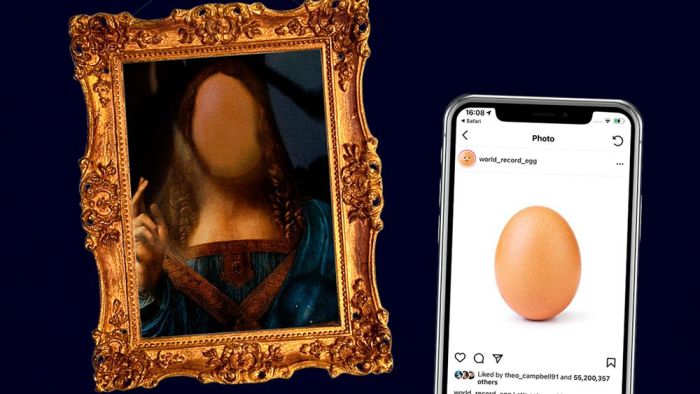
Beyond aesthetics, the “Instagrammable” painting often relies on techniques and styles that amplify visual appeal. These choices, driven by a combination of artistic skill and a keen understanding of contemporary trends, are crucial in attracting online attention. A careful consideration of materials, color palettes, and the inherent visual impact of different styles significantly contributes to the perceived “Instagrammability” of a piece.The pursuit of visual impact in “Instagrammable” paintings transcends traditional artistic criteria.
It prioritizes elements that resonate with online viewers, often leaning toward vibrant colors, strong compositions, and easily shareable aesthetics. This approach demands a delicate balance between artistic expression and understanding of digital platforms.
Artistic Techniques
The techniques employed in creating “Instagrammable” paintings often emphasize a visual “wow” factor. Techniques like impasto, where thick layers of paint create texture, are frequently employed. Similarly, blending techniques, achieving smooth transitions between colors, contribute to the aesthetic appeal. Specific brushstrokes can also be strategically employed to highlight particular areas or create a sense of dynamism. These techniques, combined with the selection of materials and color palettes, contribute to the overall visual impact of the painting.
Styles of “Instagrammable” Paintings
Contemporary styles frequently associated with “Instagrammable” paintings include abstract art, impressionism, and certain forms of pop art. These styles often feature bold colors, dynamic compositions, and readily recognizable imagery. The expressive nature of these styles frequently resonates with online audiences, leading to increased engagement and sharing. Abstract paintings, in particular, often lend themselves to creative interpretations and diverse perspectives.
Materials Commonly Used
A range of materials, including acrylic paints, oil paints, and even mixed media approaches, are frequently used in creating “Instagrammable” paintings. Acrylic paints, known for their quick drying time and versatility, are particularly popular due to their ease of use. Oil paints, while requiring more expertise and time for drying, often provide a rich, layered quality that appeals to those seeking a more textured and nuanced aesthetic.
The choice of materials often depends on the artist’s preference and the desired effect.
Common Color Palettes
| Color Palette | Description | Example |
|---|---|---|
| Vibrant, Bold Colors | Using intense, saturated hues to create visual impact. | Neon pinks, electric blues, and bright yellows. |
| Monochromatic or Limited Palette | Using a single color or a small range of related colors to create a sophisticated and harmonious effect. | Shades of blue, varying tones of orange, or different values of green. |
| Complementary Colors | Using colors opposite each other on the color wheel to create a high-contrast and visually striking effect. | Red and green, blue and orange, yellow and purple. |
These palettes are chosen to maximize the visual impact of the painting and align with contemporary aesthetics. The selection of a color palette is a crucial aspect of creating “Instagrammable” paintings, often influencing the overall emotional response and engagement.
Artistic Skill and the “Instagrammable” Aesthetic
While a strong visual appeal is paramount, the “Instagrammable” aesthetic is not solely dependent on technical skill. A fundamental understanding of composition, color theory, and artistic expression is critical. However, the ability to adapt these skills to create a visually appealing image that is shareable online plays a crucial role in achieving the desired effect. High-quality photography and lighting also play a role.
Examples of successful artists who have leveraged these principles show the importance of this combination.
Impact on the Art Market
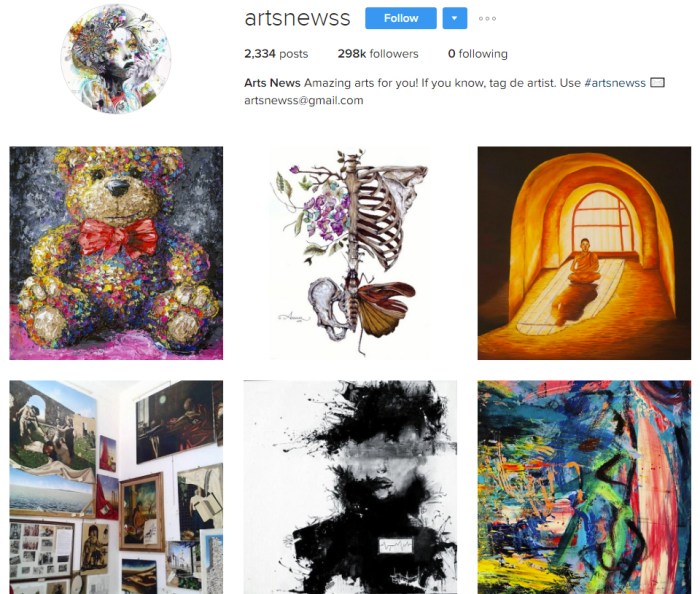
The rise of “Instagrammable” art has fundamentally reshaped the art market, driving a new wave of demand and altering established norms for pricing and sales. This trend, deeply intertwined with social media’s influence, prioritizes aesthetics and visual appeal over traditional artistic merit in certain segments, creating a unique set of challenges and opportunities for both artists and galleries.This shift reflects a broader cultural trend prioritizing visual experiences over traditional artistic depth.
Collectors are increasingly drawn to pieces that not only possess artistic value but also lend themselves to compelling visual narratives and easily digestible aesthetics for social media platforms. This dynamic influences the entire spectrum of the art market, from the pricing strategies of galleries to the creative choices of artists themselves.
Impact on Pricing and Demand
The marketability of a painting as “Instagrammable” significantly impacts its pricing. Pieces that evoke strong visual reactions, often through vibrant colors, striking compositions, or unique textures, command higher prices compared to works that might be considered aesthetically less appealing or lack a readily shareable quality. This effect isn’t uniform across all genres. For example, hyperrealistic portraits, while often technically impressive, might not attract the same level of Instagram buzz as a boldly abstract piece.
Demand, therefore, is often driven by the potential for social media virality, impacting the perceived value of the artwork.
Emerging Trends in the Art Market
The “Instagrammable” trend has fostered several emerging trends within the art market. One prominent trend is the rise of collaborations between artists and social media influencers. This collaboration strategy leverages the influencer’s audience to drive demand and create a dedicated following for the artist. Furthermore, there’s a growing emphasis on commissioning artwork with specific social media aesthetics in mind.
Artists are increasingly creating pieces that are inherently designed to be shareable, influencing the types of artwork being produced.
Galleries and Artists Capitalizing on the Trend
Numerous galleries and artists have successfully leveraged the “Instagrammable” trend to increase sales and visibility. Galleries that curate exhibitions featuring pieces with strong social media appeal often experience higher traffic and engagement. Similarly, artists who understand the language of visual storytelling and leverage platforms like Instagram for promotion see increased demand and collector interest. For instance, galleries focusing on pop art, surrealism, and contemporary abstract pieces have often observed substantial sales increases, demonstrating the effectiveness of this strategy.
Impact on Other Artistic Styles
The popularity of “Instagrammable” paintings has a noticeable effect on other artistic styles. Some traditional styles, like realism or impressionism, may see reduced emphasis in the market, potentially leading to fewer collectors or artists exploring them. However, the demand for unique styles and artistic innovation remains robust, with some artists blending traditional techniques with contemporary aesthetics to capture the essence of both.
In summary, this trend has led to a more diversified and dynamic art market, creating new opportunities while simultaneously challenging established norms and preferences.
Audience Engagement and Perception
The definition of “Instagrammable” art is deeply intertwined with audience response. The very concept of visual appeal, often tied to shareability and online engagement, significantly shapes what artists create and how galleries and collectors approach the market. This dynamic interplay between artist, audience, and the digital realm profoundly impacts the success and perception of contemporary art.The digital age has fundamentally altered the way audiences interact with art.
Online platforms have democratized access, enabling broader engagement and fostering a vibrant, often instantaneous dialogue around artistic expression. This digital interaction, in turn, influences the aesthetic choices of artists and the perception of art in both physical and online spaces.
The Role of Online Interaction
Online platforms are key to the propagation of “Instagrammable” art. Audiences actively participate in shaping the aesthetic ideals of the genre, through likes, comments, and shares. Visual aesthetics and accessibility are prioritized, often influencing the design and presentation of the artwork. The immediate feedback loop from online interaction creates a constant dialogue between the artist and the audience, prompting artists to adapt to prevailing online trends and tastes.
Common Online Comments and Reactions
Comments on “Instagrammable” paintings often focus on aesthetic appeal, compositional elements, and the potential for visual storytelling. Aesthetics, such as vibrant colors, striking contrasts, and intriguing compositions, are highly valued. The paintings’ suitability for digital sharing and the potential for virality are also frequently discussed. Positive comments highlight the visual impact, the artist’s skill, and the painting’s ability to evoke emotion or a specific mood.
Conversely, negative comments often critique the perceived superficiality or lack of artistic merit.
Psychological Factors Influencing Perception
Several psychological factors play a role in the perception of “Instagrammable” art. Visual appeal, emotional response, and the perceived “shareability” factor are key drivers of engagement. The desire to connect with others through aesthetically pleasing images, the need for validation, and the allure of capturing and sharing moments of beauty all contribute to the appeal. Furthermore, the familiarity and ease of use of social media platforms greatly influence the art’s accessibility and virality.
Physical vs. Online Engagement
The interaction with “Instagrammable” paintings differs significantly between physical and online spaces. In person, the audience has a more nuanced experience, appreciating the texture, depth, and scale of the work. However, the online presentation, often featuring high-resolution images and dynamic lighting, often dictates initial appeal. The online experience emphasizes visual impact, while in-person interaction deepens the appreciation of the artistic craft.
The experience of interacting with the work in the gallery or museum, appreciating its physicality, can lead to a more profound understanding and appreciation, often absent from the purely digital interaction.
Creating Instagrammable Paintings
The rise of social media has fundamentally altered the art world, prompting artists to consider how their work translates to online platforms. Instagram, in particular, has become a crucial marketplace for visual art, with “Instagrammable” paintings commanding greater attention and potential sales. This necessitates a nuanced approach to artistic creation, extending beyond traditional aesthetic considerations to encompass visual appeal optimized for online sharing.
This requires artists to understand not just the art itself, but also the digital environment in which it will be viewed.Artists must now be adept at creating visual narratives that resonate with the online audience. This includes not only the content of the painting but also its presentation, framing, and accompanying captions. The art’s online presence is as important as its physical existence.
Artistic Techniques for Visual Appeal
A painting’s aesthetic appeal is crucial for capturing online attention. Employing bold colors, striking compositions, or intricate details can make a painting stand out. Techniques such as impasto, where paint is applied thickly to create texture, can be particularly effective. Using a variety of brushstrokes, from fine lines to broad gestures, adds dynamism and visual interest. Intriguing subject matter, whether abstract or figurative, can also enhance a painting’s appeal.
The use of unique materials, like metallic pigments or unconventional substrates, can elevate the visual impact and add a modern flair.
Capturing and Showcasing Art Online
Optimizing the presentation of artwork for online viewing is essential. High-quality photography is critical. Investing in professional photography equipment and lighting can dramatically enhance the visual impact of a painting. The background should complement the artwork, avoiding distracting elements. Consider the framing of the artwork; it should highlight the piece without competing with it.
Cropping and editing techniques can be used to enhance the visual impact and create a sense of visual harmony. The use of appropriate filters and editing tools can enhance the colors and clarity of the artwork, bringing out the best in the painting’s aesthetic elements.
The Importance of Artistic Skill
While technical proficiency in photography and presentation is important, artistic skill remains paramount. A truly “Instagrammable” painting transcends mere visual appeal; it possesses a depth of artistry and emotional resonance that resonates with viewers. The artistic skill behind the painting’s conception, execution, and overall aesthetic are what truly make it compelling. A skilled artist can evoke emotion and create a narrative through their work, even in a medium optimized for quick online engagement.
The artistic skill, creativity, and vision are fundamental to a truly compelling work of art.
Color Theory and Composition
Color theory plays a significant role in creating visually engaging paintings. Understanding color harmony, contrast, and the psychological impact of color choices can dramatically enhance the impact of a painting. Composition, the arrangement of elements within the artwork, is also vital. A well-composed painting guides the viewer’s eye and creates a sense of balance and visual flow.
The skillful use of negative space, focal points, and perspective adds depth and sophistication to the piece. Artists should consider the interplay of color, line, shape, and texture in the context of the overall composition to create a harmonious and engaging aesthetic.
Lighting Setups for Photographing Paintings
| Lighting Setup | Description | Effect |
|---|---|---|
| Natural Light (Window) | Utilizing natural light from a window, often diffused through a sheer curtain. | Soft, diffused light, minimizing harsh shadows and enhancing color accuracy. |
| Studio Lighting (Key Light) | Employing a key light positioned at an angle to the subject. | Highlights key features of the painting, producing a sense of depth and dimension. |
| Studio Lighting (Fill Light) | A fill light positioned opposite the key light to reduce harsh shadows. | Creates a balanced and even illumination, preventing overexposure and underexposure. |
| Studio Lighting (Back Light) | Placing a backlight behind the painting to create a subtle glow. | Adds depth and dimension to the painting, making it stand out from the background. |
| LED Panels | Using LED panels as a light source, offering adjustable intensity and color temperature. | Provides precise control over the lighting, allowing artists to achieve specific aesthetic effects. |
Different lighting setups offer diverse effects, impacting the overall presentation of the artwork.
Comparison to Traditional Art
The rise of “Instagrammable” art presents a fascinating juxtaposition to traditional artistic values. While traditional art often prioritizes technical skill, emotional depth, and conceptual weight, its Instagrammable counterpart emphasizes visual appeal and immediate gratification. This shift reflects broader societal trends toward instant gratification and visual consumption.The focus on aesthetics in “Instagrammable” art raises questions about the balance between artistic skill and visual impact.
While technical mastery is undeniably crucial in traditional art forms, the “Instagrammable” approach often prioritizes the aesthetic appeal of the finished product, potentially downplaying the artist’s struggle and the nuances of the artistic process.
Merits of Aesthetic Appeal
Prioritizing aesthetic appeal can broaden the art market’s reach, engaging a wider audience that might not otherwise be drawn to more abstract or technically demanding works. The focus on visual impact can translate into increased sales and visibility, benefiting both the artist and the art world. This is particularly evident in contemporary digital art markets where virality plays a significant role in exposure and valuation.
Demerits of Prioritizing Aesthetic Appeal
The emphasis on aesthetic appeal alone can sometimes overshadow deeper artistic intentions and emotional resonance. Furthermore, the pursuit of “Instagrammability” might lead to a homogenization of artistic expression, reducing the diversity of styles and approaches. The emphasis on visual trends could potentially stifle innovation and originality in the long run.
Impact on the Broader Art Community
The emergence of “Instagrammable” art has undeniably impacted the broader art community, fostering a new dynamic between artists, collectors, and audiences. While some traditional artists may view this trend with skepticism, others have embraced the opportunity to reach a broader audience. This shift in perception and engagement is evident in the growing popularity of online art platforms and social media engagement with art.
Value Proposition Comparison
The value proposition of “Instagrammable” and traditional artworks differs significantly. Traditional artworks are often perceived as possessing inherent value tied to their historical context, artistic skill, and cultural significance. Instagrammable art, conversely, is frequently valued for its visual appeal and virality potential, sometimes leading to rapid price fluctuations and a more volatile market. The value of the artwork is not always tied to the skill and the effort required to create it, which may differ from the traditional value proposition.
Common Themes and Differences in Artistic Expression
While both “Instagrammable” and traditional art can explore similar themes, their approaches and expression differ significantly. Traditional art often explores deeper philosophical and societal concerns, while “Instagrammable” art frequently leans towards themes of beauty, aesthetics, and visual storytelling, often tied to contemporary pop culture references. The degree of emotional depth and conceptual complexity varies considerably.
Examples of the Impact
The success of artists who leverage social media for their work demonstrates the impact of “Instagrammability” on the art market. Artists creating work that is visually engaging and easily shared on platforms like Instagram and TikTok often achieve wider recognition and increased sales compared to those whose works are more focused on traditional artistic values.
Future Trends in Instagrammable Art
Instagrammable art, a burgeoning segment of the contemporary art market, is rapidly evolving. The desire for aesthetically pleasing and shareable pieces is driving a shift in artistic production, incorporating new technologies and themes. Predicting the precise trajectory is challenging, but examining current trends offers insights into potential future directions.The convergence of art and social media is accelerating, creating a dynamic feedback loop.
Artists are increasingly aware of the visual language of Instagram and other platforms, influencing their choices in style, subject matter, and even the very materials they use. This necessitates a careful consideration of how to maintain artistic integrity alongside the demands of online visibility.
Potential Shifts in Artistic Styles
Contemporary artists are already experimenting with styles that are readily translatable to the visual language of social media. Abstract expressionism, with its vibrant colours and dynamic compositions, remains a popular choice. However, a trend toward more conceptual and interactive works is emerging. These might incorporate elements of augmented reality, allowing viewers to interact with the piece digitally or physically, enhancing the Instagrammable experience.
Themes and Subject Matter
The themes in Instagrammable art are likely to reflect current social and cultural trends. Environmental concerns, social justice issues, and personal narratives are increasingly prominent in contemporary art. This focus on relatable and impactful themes will likely continue to resonate with online audiences, driving engagement and fostering meaningful dialogue.
Role of Emerging Technologies
Emerging technologies are profoundly shaping the Instagrammable aesthetic. The use of AI in generating art, creating personalized experiences, or even integrating augmented reality features into physical artworks is rapidly gaining traction. Artists are exploring these tools to create dynamic, interactive, and highly shareable pieces. 3D printing and other digital fabrication methods are also transforming how artists can present their work, adding layers of interactivity and visual appeal.
Challenges and Opportunities
The inherent tension between artistic integrity and the demands of online visibility is a significant challenge. The pressure to create aesthetically pleasing and shareable pieces could potentially lead to a homogenization of styles and themes. However, this evolution also presents opportunities for artists to experiment with new technologies, creating unique and captivating experiences for viewers. This includes engaging with a global audience, fostering collaborations across cultures, and establishing new avenues for artistic expression.
Examples of Emerging Art Forms
Interactive installations that incorporate digital projections, augmented reality overlays, or responsive elements are gaining traction. The use of virtual reality to create immersive experiences around artworks is also a burgeoning field. The combination of traditional painting techniques with digital elements, such as incorporating AI-generated textures or patterns into a painting, is another emerging trend. These examples highlight the evolving nature of Instagrammable art and its integration with emerging technologies.
Ending Remarks
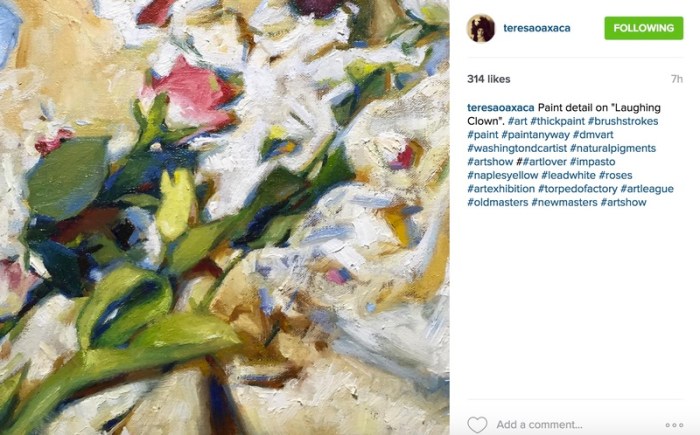
The Instagrammable painting phenomenon reveals a dynamic interplay between artistic expression, social media trends, and market forces. While this approach emphasizes visual appeal, it also raises questions about the balance between artistic merit and commercial viability. The future of this trend will depend on how artists adapt and navigate the evolving landscape of social media and the art market.
