
The Japanese plant aesthetic, renowned for its serene beauty and minimalist design, finds a sophisticated expression in the modern wine cellar. This approach transcends the typical wine storage space, transforming it into a tranquil sanctuary where the appreciation of nature and fine vintages converge. Wabi-sabi, with its embrace of imperfection and the beauty of the natural world, provides a captivating backdrop for carefully curated wine selections.
This exploration delves into the nuances of creating a Japanese plant aesthetic wine cellar, encompassing the careful selection of plants, the strategic placement of materials, and the evocative use of lighting to evoke a sense of tranquility and serenity. From the precise arrangement of wine bottles to the deliberate choice of color palettes, each element contributes to a cohesive and immersive experience.
Defining the Aesthetic
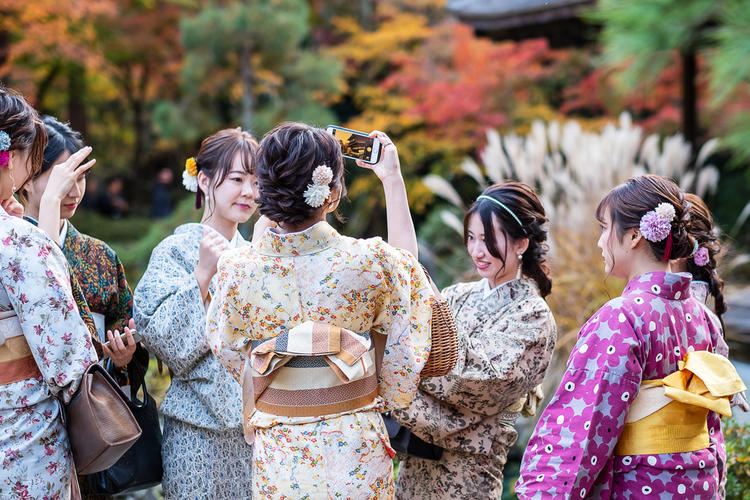
The Japanese aesthetic, deeply rooted in nature, offers a unique approach to design, emphasizing tranquility and a connection with the natural world. This approach, particularly evident in wabi-sabi, shibui, and the broader concept of “mono-no-aware,” is a powerful tool for creating spaces that evoke serenity and appreciation for impermanence. A wine cellar, often a space of sophisticated indulgence, can be transformed through the incorporation of these principles.The Japanese aesthetic transcends mere aesthetics; it’s a philosophy that values the beauty found in imperfection, simplicity, and the passage of time.
By applying these concepts to a wine cellar, one can craft a space that not only showcases exquisite wines but also invites contemplation and appreciation for the art of winemaking and the passage of time.
Wabi-Sabi Principles
Wabi-sabi embraces the beauty of imperfection, asymmetry, and the natural aging process. It emphasizes the inherent beauty in the transient nature of things, recognizing that beauty can arise from the signs of wear and time. In a wine cellar, this translates to acknowledging the aging process of the wine itself, using materials that show the passage of time, and incorporating elements that reflect natural decay and growth.
The uneven texture of aged wood, for instance, or the subtle patina of metal can be integrated into the design to evoke this concept.
Shibui Aesthetics
Shibui, another key Japanese aesthetic, focuses on understated elegance and restraint. It’s characterized by a muted palette, often using natural tones like earth and stone. In a wine cellar, this can manifest as a palette of warm browns, muted grays, and deep greens, mirroring the natural world. The materials chosen should be simple and unadorned, like natural stone or wood, rather than flashy or overly elaborate finishes.
Minimalist lighting, allowing natural light to filter through, can further enhance this understated elegance.
Incorporating Natural Elements
Natural materials like wood, stone, and bamboo are integral to the Japanese aesthetic. Their presence fosters a sense of connection to the environment and enhances the overall sensory experience. For example, using reclaimed wood for shelving or counters, or incorporating natural stone for flooring and walls, creates a sense of warmth and authenticity. Furthermore, the incorporation of carefully chosen plants and foliage adds a touch of nature to the space.
Examples in Wine Cellar Design
The use of aged, reclaimed wood for shelving or cabinetry, with visible knots and imperfections, embodies the wabi-sabi principle. A natural stone floor, with its inherent variation in color and texture, would exemplify shibui. A carefully selected collection of bonsai or other small plants could further enhance the connection to nature, while minimalist lighting emphasizes the natural tones and textures of the materials.
The wine cellar design should be carefully considered in accordance with the wabi-sabi principle of embracing the natural aging of the wines, reflecting their development and complexity over time. This, in turn, reinforces the sensory experience and creates a holistic space for wine appreciation.
Plant Selection and Placement
Cultivating a Japanese-inspired aesthetic in a wine cellar necessitates careful plant selection and strategic placement. This meticulous approach ensures the plants complement the wine-tasting experience, harmonizing with the space’s understated elegance and natural beauty. The chosen flora should not only thrive in the cellar’s specific environment but also contribute to the overall ambiance.Selecting plants that thrive in the unique conditions of a wine cellar is crucial.
These environments often feature controlled temperature and humidity, differing significantly from typical indoor gardens. Understanding the specific light, moisture, and temperature needs of the chosen plants is vital for their survival and optimal aesthetic presentation. The size and growth rate of plants must also be considered to maintain the desired visual harmony and prevent overcrowding or an overly dense aesthetic.
Plants Aligned with Japanese Aesthetics
Japanese aesthetics prioritize minimalism, natural forms, and understated beauty. This philosophy translates well into wine cellar design. Plants that embody these principles include bamboo, ferns, and certain varieties of succulents. These selections often feature graceful lines, delicate textures, and a subdued elegance. Consider plants with foliage in shades of green, silver, or muted tones.
These color palettes will enhance the space’s overall sophistication.
Factors to Consider When Choosing Plants
Factors to consider in the selection process include light needs, moisture requirements, and size. Adequate lighting is paramount, as many plants require specific light conditions to thrive. Understanding these needs allows for the placement of plants in areas that receive sufficient, but not overwhelming, light. Maintaining optimal moisture levels is essential, as fluctuating humidity can stress plants.
The size of the plant is important, as a large plant in a small space can quickly overwhelm the aesthetic.
Suitability of Different Plant Types
The table below demonstrates various plant types, their aesthetic characteristics, and their suitability for a wine cellar environment. Factors like light requirements, moisture tolerance, and overall size are considered.
| Plant Type | Aesthetic Characteristics | Suitability for Wine Cellar | Light Needs |
|---|---|---|---|
| Bamboo | Graceful, minimalist, elegant vertical lines | High; adaptable to various cellar environments | Low to Medium |
| Ferns | Elegant, intricate foliage, delicate texture | High; thrive in humid conditions | Low to Medium |
| Succulents | Minimalist, drought-tolerant, textural interest | Medium; thrive in drier conditions | Low |
| Japanese Maples | Stunning foliage colors, varied shapes, adaptable | Medium; need good drainage and appropriate light | Medium to High |
| Air Plants (Tillandsia) | Unique, air-purifying, low-maintenance | High; thrive in varied conditions | Medium to High |
Materials and Design Elements
Crafting a Japanese-inspired wine cellar necessitates a meticulous approach to materials and design, prioritizing natural elements and a sense of tranquility. The careful selection of wood, stone, and bamboo, coupled with thoughtful lighting, can transform the space into a serene sanctuary, enhancing the appreciation of both the wine and the environment.The inherent qualities of natural materials – their warmth, texture, and subtle beauty – contribute significantly to the overall ambiance.
These elements, when thoughtfully integrated into the design, evoke a sense of connection with nature, mirroring the core principles of Japanese aesthetics. Employing appropriate lighting techniques further elevates the space, highlighting the beauty of the materials and the wines within.
Natural Materials
Natural materials form the cornerstone of the Japanese aesthetic. Their inherent beauty and connection to the natural world are paramount. Using materials like wood, stone, and bamboo in the wine cellar design creates a harmonious space that complements the elegance of the wines.
- Wood: Hardwoods like cherry, maple, or oak, with their warm tones and natural grain patterns, are ideal for shelving, flooring, or accent walls. The natural variations in wood grain contribute to the unique character of the space. Employing reclaimed wood adds a layer of history and charm, reflecting the Japanese appreciation for aged materials.
- Stone: Natural stone, such as slate or polished granite, can be used for flooring or accent walls, adding a touch of earthiness and durability. The cool, smooth texture of stone contrasts beautifully with the warm tones of wood, creating a visually appealing balance. Stone elements can be incorporated into wine racks or seating areas to provide a sense of grounded stability.
- Bamboo: The strength and elegance of bamboo are ideal for creating partitions, dividers, or decorative accents. The subtle green tones of bamboo complement the natural tones of wood and stone, offering a visually refreshing contrast. Bamboo can be woven into screens or used for creating shelving to enhance the natural feel of the space.
Lighting Design
Lighting plays a crucial role in setting the mood and atmosphere of the wine cellar. The right lighting can enhance the aesthetic and highlight the natural beauty of the space and its contents.
- Ambient Lighting: Soft, diffused lighting, such as recessed LED lighting or strategically placed pendant lights, creates a calming and inviting ambiance. Dimmable options allow for flexibility in adjusting the light level to suit different occasions. The use of warm-toned light bulbs, such as those with a color temperature of 2700-3000K, enhances the warmth and intimacy of the space.
- Accent Lighting: Spotlights or uplighting can be used to highlight specific features, such as wine displays or artistic elements. The use of focused lighting can bring attention to the unique characteristics of the wine bottles or the intricate details of the natural materials used in the design.
- Natural Light: When possible, incorporate natural light sources to enhance the sense of serenity and openness. Large windows or skylights can diffuse natural light, creating a sense of connection with the outdoors.
Creating Tranquility and Serenity
The goal is to foster a sense of tranquility and serenity within the wine cellar. This involves not only the selection of materials but also the careful arrangement and presentation of the wine collection.
- Minimalism: A minimalist approach to design, focusing on clean lines and uncluttered spaces, creates a sense of calm and order. The focus is on the natural beauty of the materials and the wines themselves, not on elaborate decorations or superfluous items.
- Space Optimization: Careful organization and the effective use of space can minimize visual clutter and promote a sense of calm. Organized wine displays and strategically placed shelving create a visually appealing and tranquil environment.
- Sound Design: Consider the impact of sound on the atmosphere. Soft, ambient music or the gentle sounds of nature can create a relaxing atmosphere. Using acoustic panels can reduce echoes and reverberations to create a more serene environment.
Wine Display and Storage
A Japanese-inspired wine cellar transcends mere storage; it becomes a curated space reflecting the aesthetic. Displaying and organizing bottles within this context requires a delicate balance between functionality and visual harmony, echoing the principles of Japanese design. The thoughtful arrangement of bottles, along with complementary accessories, contributes to the overall tranquil and inviting atmosphere.The strategic placement of wine bottles, reflecting the concept of “侘び寂び” (wabi-sabi), fosters a sense of quiet elegance.
This philosophy, emphasizing the beauty of imperfection and the passage of time, finds its parallel in the aging and appreciation of fine wines. The arrangement should enhance the wines’ inherent value and character.
Layout for Displaying Wine Bottles
To maximize visual appeal and accessibility, a staggered, asymmetrical layout is ideal. This approach mimics the natural world’s organic forms, fostering a sense of dynamism. The use of varying heights and depths, rather than a uniform grid, creates visual interest and depth. Grouping bottles by varietal or vintage can also offer an intriguing narrative.
Organizing Wine Bottles and Accessories
For a visually balanced approach, grouping bottles by color or shade, like a spectrum of autumn leaves, adds depth and visual interest. The inclusion of strategically placed accessories, such as small, minimalist sculptures or carefully chosen wooden trays, can serve as focal points, enhancing the aesthetic. These items, like subtle accents in a Japanese garden, should not overwhelm the bottles.
Shelving and Storage Options
Open shelving, with its transparent character, allows for easy viewing and showcases the beauty of the bottles. Consider using low, wide shelves that create a sense of spaciousness, similar to the traditional Japanese concept of “ma.” Alternatively, custom-built cabinetry, crafted from natural materials like wood, adds a warm, inviting touch and helps to maintain the overall aesthetic. This type of shelving provides a sense of understated elegance.
Different Methods for Wine Storage
Maintaining consistent temperature and humidity levels is paramount for optimal wine preservation. A temperature-controlled wine cellar offers the most consistent environment. However, for smaller collections, dedicated wine refrigerators can provide effective storage. The crucial factor is maintaining a stable environment within the cellar to prevent unwanted temperature fluctuations. Proper insulation and climate control are essential.
Wine racks, designed for specific bottle sizes, ensure stability and prevent damage. The best approach depends on the size of the collection and the available space. Choosing the right storage method hinges on maintaining consistent temperature and humidity, crucial for preserving the wine’s quality.
Color Palette and Ambiance
A Japanese plant aesthetic wine cellar demands a carefully curated color palette and ambiance that harmonizes with the serene spirit of nature. The design should feel less like a storage space and more like a tranquil retreat, where the appreciation of wine complements the appreciation of the surrounding environment. This approach elevates the sensory experience, transforming the wine cellar into a place of contemplation and enjoyment.The palette should evoke a sense of calm and serenity, drawing inspiration from the natural world.
Subtle tones and natural colors, rather than bold statements, will be key to achieving this atmosphere. This will allow the focus to remain on the wines themselves, while the setting provides a complementary backdrop.
Color Palette
The color palette should lean heavily on natural hues, mirroring the colors found in a Japanese garden. Earthy tones such as muted greens, browns, and grays are essential. These colors can be layered with subtle accents of soft whites, creams, and deep, rich browns, evoking a sense of tranquility and groundedness. The incorporation of these natural colors will create a sense of continuity with the surrounding environment, blending seamlessly with the natural beauty of the plants.
Avoid overly saturated or bright colors that could clash with the desired aesthetic.
Natural Light and Illumination
Natural light is crucial in establishing the desired atmosphere. Large windows or skylights can flood the space with diffused sunlight, enhancing the calming effect. Consider strategically placed bamboo or paper shades to soften the light and create a sense of intimacy. The interplay of natural light with the chosen colors will foster a serene and welcoming ambiance.
Artificial Lighting Techniques
Artificial lighting should complement, not overpower, the natural light. Warm-toned LED lighting or soft incandescent bulbs can be used to highlight specific areas, such as wine displays or plant arrangements. Avoid harsh, fluorescent lighting, which can create an overly clinical or sterile environment. Recessed lighting or strategically placed spotlights can be used to highlight specific plants or wine displays without disturbing the overall calming effect.
Dimmable lighting is crucial for adjusting the ambiance to different times of day and for creating a relaxed atmosphere in the evening.
Creating a Calming Atmosphere
The incorporation of soft textures, such as woven textiles or natural materials like wood, is important in fostering a relaxed atmosphere. Japanese-style tatami mats or soft rugs can create a sense of warmth and comfort underfoot. The inclusion of calming sounds, such as gentle water features or nature sounds, can further enhance the sense of peace and tranquility.
Consider using natural materials and elements like flowing water features to add a calming sense of serenity to the environment.
Storytelling and Narrative
A Japanese-inspired wine cellar transcends mere storage; it becomes a narrative space. The interplay of wine, nature, and Japanese aesthetics creates a rich tapestry of meaning, inviting guests on a journey through time and culture. Crafting a compelling narrative is key to transforming a wine cellar into an immersive experience, a testament to the connection between the natural world and the art of winemaking.This narrative is woven into the very fabric of the design, from the carefully chosen plants to the subtle details of the lighting.
The aim is to evoke a sense of place and a connection to the origins of both the wine and the Japanese aesthetic, thereby enriching the appreciation of the wine itself.
Crafting the Narrative Through Design
The placement of plants and wines within the cellar plays a crucial role in the storytelling. Strategically arranging plants can evoke specific themes. For example, a cluster of bamboo stalks, symbolizing resilience and elegance in Japanese tradition, could flank a display of Japanese-style sake. A bonsai tree, miniature representation of a larger ecosystem, placed next to a vintage wine bottle, highlights the artistry and care involved in both winemaking and plant cultivation.
The Role of Subtle Details
The true power of storytelling lies in the subtle details. Intentional use of Japanese-inspired elements, like a traditional shoji screen subtly dividing the wine display areas, or meticulously arranged ceramic vessels holding water for the plants, enhances the narrative. These details speak volumes without being overly elaborate, creating a sense of quiet elegance and thoughtful curation. For example, the use of natural materials like wood and stone in the wine cellar’s construction adds to the overall ambiance and underscores the connection with nature.
The soft, ambient lighting, mimicking the glow of a Japanese garden at twilight, will further contribute to this narrative.
Leveraging Japanese Aesthetics
The Japanese aesthetic, characterized by simplicity, harmony, and a deep appreciation for nature, lends itself beautifully to wine cellar storytelling. The emphasis on natural materials, like wood and stone, creates a seamless connection between the interior and the natural world. The use of negative space, allowing the wines and plants to take center stage, is also vital. Furthermore, incorporating Japanese calligraphy or subtle imagery, like stylized waves or blossoming cherry blossoms, on the cellar’s walls can deepen the narrative, providing a visual narrative alongside the wine.
Interactive Elements

Breathing life into a Japanese plant-inspired wine cellar requires more than just aesthetic appeal; it demands engagement. Interactive elements are crucial for transforming a static space into an experience, fostering a deeper connection with the curated collection of wines and the artistry of the environment. Visitors should not only appreciate the visual harmony but also be drawn into the narrative and encouraged to explore the subtleties of the space.Interactive elements in a wine cellar can elevate the visitor experience from passive observation to active participation, prompting curiosity and enhancing the overall journey.
By integrating touchscreens, projections, or even subtle audio cues, the experience becomes more dynamic and memorable. This approach can foster a sense of discovery, allowing visitors to interact with the space and its contents on a more profound level.
Methods for Incorporating Interactive Elements
Interactive elements can transform a wine cellar from a static display into an immersive experience. This approach encourages active participation and promotes a deeper appreciation for the curated wines and the overall aesthetic. Methods for integrating interactive elements should be carefully considered, ensuring that they complement, rather than detract from, the tranquil ambiance of the space.
- Interactive Touchscreens: These can display detailed information about the wines, their origins, and the stories behind their production. They can also provide interactive maps of the vineyard or tasting notes from esteemed critics, further enriching the visitor’s knowledge and understanding. A touch screen, situated near a display of rare vintages, can offer a virtual journey through the winemaking process, providing a detailed explanation of the unique techniques used.
- Projected Animations: Subtle projections of plant life or flowing water can add a layer of dynamism to the already serene atmosphere. These animations, when strategically placed, can create a captivating backdrop to wine displays, highlighting specific bottles or illustrating the history of the region from which they originate.
- Audio Guides: A subtle audio guide, triggered by proximity sensors or activated by touchscreens, can offer personalized insights into the wines and the design elements of the space. Each visitor can tailor their experience to their own preferences, exploring different aspects of the cellar at their own pace. The guide can also offer historical context, making the experience more educational and engaging.
- Scent Diffusion: Subtle scents of specific regions or the particular terroir of the grapes can be diffused in a targeted manner. This creates a sensory connection, reinforcing the region’s essence, further deepening the experience for visitors. This is particularly effective when paired with visuals and tasting notes.
- Haptic Feedback: While less common, haptic feedback, such as subtle vibrations or textures, can be integrated into the display to provide a physical response to the visitor’s interaction. This can be employed in conjunction with other interactive elements, such as touchscreens, to create a multi-sensory experience. For example, touching a specific wine label on a display could trigger a subtle vibration and provide detailed information about the wine via the screen.
Interactive Display Examples
Integrating these interactive elements seamlessly within the design is key. This table provides examples of how these elements can be incorporated into the wine cellar’s design.
| Interactive Element | Display Example | Enhancement to Experience |
|---|---|---|
| Interactive Touchscreen | A touchscreen near a display of rare Bordeaux wines provides details about the vineyards, winemaking techniques, and historical context. | Offers detailed information and deeper understanding of the wine. |
| Projected Animations | Subtle projections of Japanese cherry blossoms animate the space near a collection of Japanese sake. | Creates a captivating and immersive atmosphere, enhancing the visual appeal. |
| Audio Guides | Visitors can activate an audio guide by scanning a QR code on a specific wine label, learning about the wine’s terroir and history. | Provides personalized insights and educational value. |
| Scent Diffusion | A strategically placed diffuser releases the aroma of cedarwood near a display of Japanese whisky, creating a sensory connection. | Reinforces the experience through sensory input, enhancing the connection to the region. |
| Haptic Feedback | A subtle vibration is triggered when a visitor touches a specific wine label, providing tactile feedback alongside the information displayed on the touchscreen. | Creates a multi-sensory experience, adding another dimension to interaction. |
Accessibility and Functionality
A meticulously crafted wine cellar, while prioritizing aesthetic appeal, must prioritize practicality. Functionality and accessibility are paramount, ensuring the space serves its intended purpose beyond visual delight. This necessitates careful consideration of storage solutions, maintenance procedures, and safety protocols to maximize enjoyment and longevity. A well-designed wine cellar seamlessly blends aesthetic vision with practical needs.
Practical Considerations for Storage and Maintenance
Effective storage and maintenance are crucial for a wine cellar’s longevity. Proper storage conditions, including temperature control and humidity regulation, are essential to preserve the quality of the wine collection. Adequate shelving and racking systems, tailored to the specific types and sizes of bottles, are vital. Consideration must also be given to future expansions and the potential addition of new wine.
Regular maintenance, including cleaning and inspecting the system, is vital to prevent deterioration and ensure optimal functionality. Regular cleaning and inspections help maintain the integrity of the structure and its contents, minimizing long-term risks.
Integration of Functionality with Aesthetics
Blending functionality with aesthetics is key. Custom-designed shelving, crafted from sustainable materials, can showcase the wine collection while providing efficient storage. Hidden storage solutions, such as pull-out drawers or concealed compartments, can maximize space without sacrificing the visual appeal. Incorporating smart technology for temperature and humidity control, while discreetly integrated into the design, can further enhance functionality and sophistication.
Integrating these technologies can elevate the experience for the cellar’s users.
Safety and Accessibility Considerations
Safety and accessibility are paramount in any wine cellar design. Appropriate lighting is essential for safe navigation within the space, ensuring visibility without harsh glare or shadows. Consider the needs of individuals with mobility limitations by providing ramps or elevators where necessary, and ensuring adequate pathways and turns. Robust construction materials are vital for the structural integrity of the cellar, ensuring stability and preventing potential accidents.
Clearly marked emergency exits and first aid provisions should be part of the overall design. A well-lit, accessible space, with structural integrity and emergency preparedness, safeguards both the wine and the users.
Image Inspiration
A Japanese plant aesthetic wine cellar, by its nature, demands evocative imagery. Visual inspiration is crucial in translating the serene and minimalist principles of Japanese design into a functional wine storage space. Images should convey a sense of calm, natural harmony, and the interplay of light and shadow, all essential elements for creating a truly immersive experience.The visual language of the Japanese aesthetic, characterized by asymmetry, natural materials, and subtle color palettes, needs to be carefully translated into the practical demands of a wine cellar.
Images that successfully bridge this gap will guide the design process and ensure the final product resonates with the desired serene and sophisticated atmosphere.
Visual Representations of the Aesthetic
Images of traditional Japanese gardens, specifically those focusing on rock arrangements, moss gardens, and strategically placed trees, provide excellent visual templates. These images often depict the use of natural materials, like stone and wood, and the masterful arrangement of space. Look for images that emphasize negative space and the interplay of light and shadow to create a sense of depth and tranquility.
Images that highlight the juxtaposition of polished stone or wood against the lush greenery are especially valuable.
Natural Light and Shadow
Natural light, carefully managed, can be a powerful tool for enhancing the ambiance of the wine cellar. Images showcasing natural light filtering through trees or bamboo forests into a space, casting soft shadows, can serve as powerful inspiration. Consider how strategically placed windows, or even skylights, can bring the outdoors in, creating a connection to nature and a sense of openness.
Images that highlight the dance of light and shadow, emphasizing the depth and texture of the space, are essential.
Minimalist Design Principles
Minimalist design, a key component of Japanese aesthetics, emphasizes simplicity and functionality. Images showcasing modern spaces, characterized by clean lines, uncluttered surfaces, and the artful use of negative space, are highly relevant. Images should illustrate how to seamlessly integrate wine storage with the surrounding environment, avoiding visual clutter and maintaining a sense of calm. Think of images that display the use of natural materials and their interplay with carefully chosen lighting.
Images that demonstrate the balance between functionality and aesthetics are critical.
Detailed Image Descriptions
- Image 1: A wine cellar with a Zen garden-like feature at the entrance. Natural light streams through a skylight, highlighting the carefully arranged rocks and moss. The stone walls and wood elements create a warm, earthy tone. The display of wine bottles is subtly integrated into the design, not overwhelming the space.
- Image 2: A wine cellar with bamboo partitions creating a series of intimate spaces. The partitions allow for diffused natural light while maintaining a sense of privacy. Wine bottles are displayed on minimalist wooden shelves, subtly integrated into the overall design.
- Image 3: A wine cellar with a large, open space featuring a waterfall feature. The cascading water creates a calming sound and visual element, enhancing the serenity of the space. The wine display is integrated into the design, using shelves that blend seamlessly with the overall aesthetic.
- Image 4: A wine cellar with a minimalist approach to wine display. The wine bottles are organized on shelves that appear to float in the space, emphasizing the sense of calm and quiet. Natural wood and stone are the primary materials, highlighting the connection to nature.
Epilogue

In conclusion, crafting a Japanese plant aesthetic wine cellar involves a harmonious blend of design elements, from the selection of appropriate plants to the evocative use of natural materials and lighting. This approach elevates the wine cellar from a mere storage space to a sophisticated sanctuary, offering a unique blend of visual appeal and functional storage. The meticulous attention to detail, the subtle use of color, and the integration of interactive elements create a truly unforgettable experience.
