
Wall shelves are more than just functional storage; they’re dynamic design elements that can transform a room. This exploration dives deep into maximizing their potential, from choosing the perfect materials to crafting visually stunning arrangements. Discover how to integrate these versatile pieces into diverse spaces, from modern minimalism to rustic charm, and unlock their full design power.
Beyond aesthetics, wall shelves offer practical solutions for storage and display. Choosing the right material, considering weight capacity, and planning thoughtful arrangements are key to achieving both beauty and functionality.
Introduction to Wall Shelf Decor
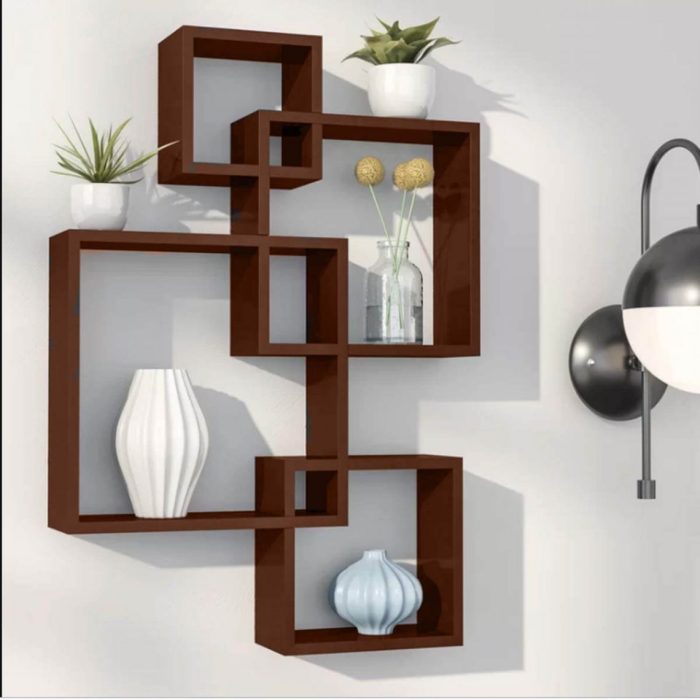
Wall shelf decor is rapidly evolving, mirroring broader design trends and reflecting a growing desire for personalized and functional home spaces. From minimalist, clean lines to rustic, warm textures, the possibilities are vast. This exploration delves into the current trends, highlighting the stylistic diversity, and underscores the multifaceted role wall shelves play in modern interiors.Wall shelves are no longer solely decorative elements; they are powerful tools for organizing and showcasing personal items, fostering a sense of visual harmony and creating unique focal points within a room.
Beyond aesthetics, thoughtful placement and design can dramatically impact the functionality and flow of a space.
Wall Shelf Decor Trends
Current trends in wall shelf decor emphasize versatility and customization. A resurgence of mid-century modern design is evident, with sleek lines and geometric shapes gaining popularity. Rustic and bohemian styles remain strong, incorporating natural materials like wood and rattan, and featuring eclectic collections of objects. Modern styles favor clean, minimalist designs, often showcasing a curated collection of statement pieces.
The key is to select a style that complements the overall aesthetic of the room and reflects the homeowner’s personal taste.
Styles of Wall Shelf Decor
Wall shelf decor spans a wide range of styles, each with its own distinct characteristics. Modern designs typically feature clean lines, neutral colors, and a focus on functionality. Rustic styles often use natural materials like wood and metal, emphasizing warmth and a connection to nature. Bohemian styles embrace eclecticism, incorporating a variety of textures, colors, and objects, often with a global or vintage flair.
Importance of Wall Shelf Decor in Home Design
Wall shelves are instrumental in achieving a balanced and cohesive interior design. They provide a structured way to organize belongings, which in turn creates a sense of order and calm. The careful placement and selection of items on shelves can transform a room into a personalized gallery or a functional display space. Strategically placed shelves can also help define zones within a room, adding depth and dimension.
Function of Wall Shelves Beyond Aesthetics
Beyond their aesthetic appeal, wall shelves offer significant functional benefits. They provide additional storage space for books, plants, decorative items, and other personal belongings. They can be used to display collections, showcase artwork, or create a focal point in a room. Clever use of shelves can also free up valuable floor space, optimizing the use of a small or confined area.
Basic Wall Shelf Design Layout (Small Space Example)
A small space, such as a narrow hallway or a small entryway, can benefit significantly from strategically placed wall shelves. For a hallway, a single, narrow shelf running the length of the wall can serve as a stylish display area. Consider placing a few carefully selected decorative items, such as framed photos or small sculptures, along the shelf.
In a small entryway, two or three shelves, arranged in a staggered pattern, can create a visually appealing display while also providing space for keys, mail, and other essential items. This simple layout maximizes the use of vertical space, creating a visually appealing and functional area.
| Space | Shelf Layout | Items |
|---|---|---|
| Narrow Hallway | Single, narrow shelf | Framed photos, small sculptures |
| Small Entryway | Staggered shelves (2-3) | Keys, mail, decorative items |
Choosing the Right Wall Shelf
Selecting the appropriate wall shelf is crucial for both aesthetic appeal and practical function. A well-chosen shelf complements the room’s design while supporting the desired weight and preventing damage to the wall. Careful consideration of material, size, and weight capacity ensures long-term stability and satisfaction.
Material Considerations for Wall Shelves
Wall shelves are available in a diverse range of materials, each with unique characteristics affecting their suitability for various applications. Understanding these differences allows for informed choices aligned with individual needs and preferences.
- Wood: Wood shelves offer a timeless aesthetic and are highly versatile. Their natural beauty integrates seamlessly with various interior design styles, from rustic to modern. However, wood is susceptible to moisture damage, scratches, and warping over time, requiring regular maintenance and protection. Solid wood shelves often command a higher price point compared to composite options.
- Metal: Metal shelves, particularly those made of steel or iron, are known for their durability and strength. They provide a clean, modern look and can easily accommodate heavy items. However, metal shelves can feel cold to the touch and might not be suitable for every decor style. Powder-coated metal shelves offer enhanced protection against rust and corrosion, extending their lifespan.
- Glass: Glass shelves offer a transparent, stylish look, maximizing the visibility of displayed items. Their sleek design adds a touch of sophistication to any space. However, glass shelves are fragile and prone to breakage, requiring extra caution when handling or placing heavy objects. Tempered glass, a stronger variety, is often used for wall shelves to mitigate this risk.
- Stone: Stone shelves boast a unique, natural aesthetic and provide a significant weight capacity due to their density. They often come in varied textures and colors, offering a personalized touch. However, stone shelves are generally more expensive and less versatile in design compared to other materials. The availability of specific stone types and their corresponding processing methods can influence pricing.
Factors Influencing Shelf Selection
Several factors need consideration when choosing the right wall shelf. These include not only the material but also the dimensions and load-bearing capacity.
- Size and Style: The dimensions of the shelf should align with the intended display items and the overall room layout. Consider the space available on the wall and the desired visual impact. Matching the shelf’s style to the room’s decor is essential for creating a cohesive aesthetic.
- Weight Capacity: A crucial aspect is the shelf’s weight capacity. Determine the weight of the objects you intend to display and ensure the shelf can safely support them. Exceeding the weight limit can lead to damage to the shelf, wall, and potential injury.
- Wall Strength: The strength of the wall is paramount to the shelf’s stability. Ensure the wall can support the shelf’s weight and that the mounting hardware is appropriate for the wall type (e.g., drywall, plaster, brick). Using appropriate anchors and screws for the wall type is essential.
Durability Comparison of Shelf Materials
The durability of a shelf directly impacts its longevity. Different materials exhibit varying degrees of resistance to damage and wear.
| Material | Durability | Pros | Cons |
|---|---|---|---|
| Wood | High | Aesthetically pleasing, versatile | Can be susceptible to damage (moisture, scratches) |
| Metal | High | Strong, modern look | Can be cold to the touch |
| Glass | Medium | Transparent, stylish | Fragile, prone to breakage |
| Stone | High | Unique look, heavy | Expensive, limited styles |
Shelf Arrangement Ideas
Maximizing the aesthetic and functional potential of wall shelves hinges on careful arrangement. Properly organized shelves not only enhance the visual appeal of a room but also optimize storage space and create a cohesive design. This section explores various approaches to achieving balanced and visually engaging shelf displays.Effective shelf arrangement transcends mere placement; it’s a design strategy that blends visual appeal with practicality.
The key is understanding how different arrangements affect the overall ambiance and functionality of the space.
Single-Shelf Arrangements
Single shelves, often used as a starting point for smaller or less-complex displays, present opportunities for focused arrangements. A single shelf, when carefully curated, can effectively showcase a curated collection of objects or a cohesive grouping of décor. This approach allows for a more streamlined presentation, enabling viewers to appreciate the individual elements more clearly.
Multiple-Shelf Arrangements
Multiple shelves offer greater versatility in design. They allow for a broader range of decorative possibilities, facilitating the incorporation of varied items. Consider the depth and height of the items when organizing them across multiple shelves. For example, tall vases may be placed on the upper shelves, while smaller figurines or books might be positioned on the lower ones.
Staggered Shelf Arrangements
Staggered shelf arrangements, characterized by offsetting items across multiple shelves, are a powerful tool in creating depth and visual interest. This approach introduces asymmetry, thereby avoiding a monotonous, overly-symmetrical appearance. Objects of varying heights and widths, placed at different positions on the shelves, add dynamism to the display. The goal is to create an aesthetically pleasing, dynamic, and visually engaging composition.
Balanced Arrangements
Balanced shelf arrangements employ symmetry, placing similar items or objects of equal visual weight at corresponding points on the shelves. This approach creates a sense of harmony and order. In essence, visual balance ensures that the weight and prominence of objects are distributed evenly across the shelves. This method creates a more formal and structured appearance, ideal for settings where symmetry is preferred.
Asymmetrical Arrangements
Asymmetrical arrangements embrace the beauty of imperfection and offer a less rigid, more spontaneous look. These arrangements do not require strict symmetry, instead focusing on the overall visual impact and harmony. This approach often involves strategically positioning items of varying heights, widths, and textures, thereby generating a unique and dynamic look. By juxtaposing different elements, an asymmetrical display creates visual interest.
Visual Interest through Height and Depth
Employing items of varying heights and depths on the shelves is crucial for creating visual interest. The interplay of these dimensions can draw the eye and add depth to the arrangement. This approach can involve stacking books, arranging figurines of different sizes, or placing plants of various heights. For example, tall, slender vases might be strategically positioned on one shelf, juxtaposed with a collection of compact sculptures on another.
The variety in heights and depths helps to avoid a flat, monotonous appearance.
Importance of Spacing
Adequate spacing between shelves is crucial for visual clarity and to avoid overcrowding. Sufficient space ensures that items do not appear crammed or overly compressed. The distance between shelves should be chosen carefully, keeping in mind the size of the items being displayed. Consider the items’ dimensions and how they will be arranged before finalizing the spacing.
5 Unique Shelf Arrangement Ideas
- Coastal Chic: Use seashells, driftwood, and nautical-themed décor to create a calming, coastal atmosphere. Vary the heights and sizes of the items for visual interest. A mix of weathered wood and white shells can be used to accentuate the coastal theme.
- Bohemian Rhapsody: Combine macrame wall hangings, textured textiles, and various plants for a bohemian-inspired display. Use varying heights and textures to draw the eye across the shelf.
- Modern Minimalism: Showcase sleek, minimalist sculptures, geometric-shaped décor, and neutral-toned items. The focus is on clean lines and a harmonious blend of colors.
- Rustic Farmhouse: Incorporate weathered wood accents, dried flowers, pottery, and vintage items to achieve a rustic farmhouse feel. Use natural materials to create a warm, inviting atmosphere.
- Botanical Oasis: Arrange various plants, including succulents, air plants, and small potted herbs. Vary the plant sizes and heights to create a lush and dynamic display.
Styling Wall Shelves
Elevating a wall shelf display from functional to captivating requires a thoughtful approach to styling. A well-curated shelf becomes a visual centerpiece, reflecting personal taste and adding character to any room. This involves careful consideration of color coordination, plant integration, personal touches, and the introduction of texture.Effective styling hinges on understanding how different elements interact. Color harmony, for example, is crucial for creating a cohesive aesthetic.
Similarly, integrating plants and personal items creates a sense of warmth and personality. Strategic placement of these elements contributes significantly to the overall visual appeal and the shelf’s ability to enhance the room’s ambiance.
Color Coordination with Wall Decor
Color coordination is key to achieving a harmonious look. Matching the colors of the wall shelf to the surrounding wall decor creates a seamless transition, preventing visual clutter. Using complementary colors—those opposite each other on the color wheel—can create a bold and vibrant display. Analogous colors, those next to each other on the color wheel, provide a softer, more unified look.
Choosing a color palette that complements the room’s existing color scheme will create a more cohesive and balanced design.
Incorporating Plants and Flowers
Plants and flowers introduce life and vibrancy to any wall shelf display. Their presence instantly elevates the aesthetic and adds a touch of nature to the space. Consider the scale of the plants in relation to the shelf’s size and the overall room design. Varying heights and textures of foliage create visual interest. Ensure that the plants are appropriately sized to maintain a balanced look and avoid overcrowding.
Incorporating Personal Items
Personal items—photo frames, books, decorative objects—infuse a wall shelf display with personality. Strategically placing these items creates a narrative and showcases personal interests. Consider the arrangement of these items. Mixing different shapes and sizes of objects can enhance visual interest. A balanced arrangement of personal items adds warmth and a sense of familiarity to the space.
Adding Texture and Visual Interest
Adding texture and visual interest through varying materials and shapes is vital. Mixing different materials, such as wood, metal, and glass, can create a dynamic display. Incorporating elements with varying textures—rough, smooth, glossy—creates depth and visual interest. Experimenting with different shapes and sizes of objects and arranging them in an asymmetrical pattern adds a touch of artistry.
Plant and Flower Options
The table below offers three examples of plant and flower options suitable for wall shelf decor, categorized by style and care requirements.
Decor Ideas for Different Rooms
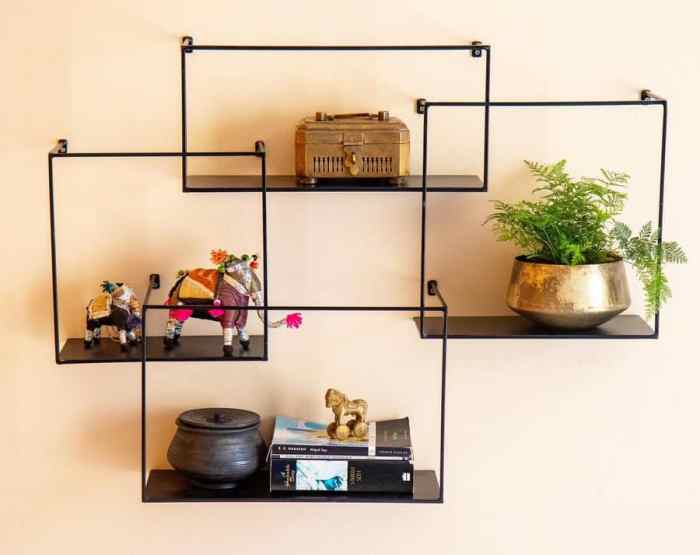
Elevating a space’s aesthetic through carefully curated wall shelves is a powerful design tool. Strategic placement and thoughtfully selected decor items can transform a room from functional to captivating. This section explores tailored approaches for living rooms, bedrooms, and kitchens, showcasing how these additions can enhance both form and function.Interior design, particularly in contemporary settings, often emphasizes the integration of utility and aesthetics.
Wall shelves, when strategically incorporated, become more than mere storage solutions; they are design elements that contribute to the overall ambiance of a space.
Living Room Shelf Decor
Living rooms are often the heart of a home, serving as gathering spaces for relaxation and socializing. Wall shelves, thoughtfully designed, can amplify this function, providing display space for cherished objects and artwork. Consider incorporating items that reflect the room’s theme or personal style, adding a sense of personality and visual interest. A collection of vintage books, framed photographs, or decorative bowls can create a focal point.
Open shelving in living rooms, for instance, can beautifully showcase a curated collection of books, adding both warmth and character to the space.
Bedroom Shelf Decor
Bedrooms are sanctuaries for rest and rejuvenation. Wall shelves can be used to display items that evoke a sense of calm and tranquility. Personal mementos, such as framed artwork, small sculptures, or a collection of meaningful books, can be arranged to create a serene atmosphere. Avoid overcrowding the shelves; a curated selection of items will create a more calming effect.
Consider incorporating soft lighting to highlight the displayed objects, further enhancing the tranquil ambiance.
Kitchen Shelf Decor
Kitchens are dynamic spaces, requiring both practicality and visual appeal. Wall shelves in kitchens can act as both display and storage solutions. This is especially true for smaller kitchens where space is at a premium. Showcase decorative bowls, artisan mugs, or vintage cooking utensils. A well-organized layout can dramatically improve both the aesthetics and functionality of a kitchen.
| Shelf Layout for a Kitchen (Maximizing Storage & Style) | Description |
|---|---|
| Top Shelf | Reserve this space for decorative items, such as cookbooks, vintage tableware, or decorative jars filled with herbs. |
| Middle Shelf | Ideal for storing frequently used items like mugs, glasses, or bowls, keeping them easily accessible. |
| Bottom Shelf | This area is perfect for storing less frequently used items, such as serving platters, platters, or seasonal items. |
A well-designed kitchen shelf layout allows for both functionality and aesthetic appeal. Consider using a combination of open and closed shelving to maintain an organized look.
Enhancing Room Aesthetics
Thoughtful arrangement of wall shelves can significantly elevate the overall aesthetic of a room. By strategically placing and styling shelves, a sense of balance, symmetry, and visual interest can be achieved. Choosing the right color palette for the shelves can also make a substantial impact on the overall mood and atmosphere.
Role in Interior Design Styles
Wall shelf decor can effectively complement various interior design styles. For instance, a farmhouse style kitchen might feature rustic wooden shelves showcasing vintage cookware and decorative jars. In contrast, an industrial-style living room could utilize metal shelves to display modern sculptures or geometric patterned items. The appropriate selection of decor items is crucial in conveying the intended design aesthetic.
Incorporating Themes and Trends
Wall shelves, more than just functional storage, are powerful design elements. They allow homeowners to curate a space that reflects their personal style and the current trends in home decor. Integrating thematic elements and current design sensibilities elevates a shelf’s aesthetic impact, transforming it into a focal point within a room.Modern home decor often revolves around carefully considered themes.
These themes, whether coastal, vintage, or minimalist, provide a framework for selecting and arranging items, ensuring a cohesive and harmonious look throughout the entire space. This thematic approach allows for a deliberate curation of items, making the shelves a visually engaging extension of the room’s overall design philosophy.
Current Home Decor Trends
Current trends in home decor frequently feature a blend of textures and materials, such as natural wood, rattan, and metal. These materials often complement each other, adding visual depth and interest to wall shelves. The use of warm lighting and pops of color also enhance the ambiance and visual appeal. Geometric patterns and statement pieces, like sculptural vases or unique sculptures, are gaining popularity, further enriching the aesthetic.
Creating a Cohesive Theme
Establishing a cohesive theme throughout a space, including the wall shelves, is crucial for a visually appealing and well-designed room. A consistent color palette, repeating patterns, and complementary textures create a sense of unity and flow. This is particularly important when utilizing multiple shelves, ensuring they work in tandem to enhance the overall ambiance of the room.
Examples of Wall Shelf Decor for Different Themes
- Coastal Theme: Coastal-themed shelves often incorporate seashells, driftwood, and nautical-inspired artwork. Muted blues and whites, combined with natural textures, create a serene and calming atmosphere. Consider using woven baskets and ceramic pieces with beach-inspired motifs to further amplify the coastal aesthetic.
- Vintage Theme: Vintage-themed shelves might feature antique books, vintage-style glassware, and antique trinkets. Consider using items with a history or patina, as these elements add character and depth to the display. A curated selection of vintage photographs, postcards, and old maps can further enhance the vintage vibe.
- Minimalist Theme: Minimalist shelves emphasize clean lines and a streamlined aesthetic. Use simple, elegant objects, such as minimalist sculptures, sleek vases, and minimalist books. The focus should be on showcasing the objects themselves, rather than overwhelming them with excessive ornamentation. Neutral colors, like whites, grays, and blacks, are ideal for creating a sense of spaciousness and calm.
Choosing Items that Reflect Personal Style
Selecting items for wall shelves should be deeply personal, reflecting your individual taste and preferences. Consider your hobbies, interests, and travel experiences when choosing items. For example, a collection of travel souvenirs, a set of vintage books, or handmade pottery could be displayed to showcase personal stories and memories.
Showcasing Personal Collections
Wall shelves provide an excellent opportunity to showcase personal collections. Whether it’s a collection of stamps, vintage figurines, or decorative items, shelves can effectively display these cherished items. Careful arrangement, ensuring items are appropriately spaced and grouped, is key to preventing a cluttered look. Consider using decorative boxes or trays to further organize and present these collections in a visually engaging manner.
Lighting and Accessories
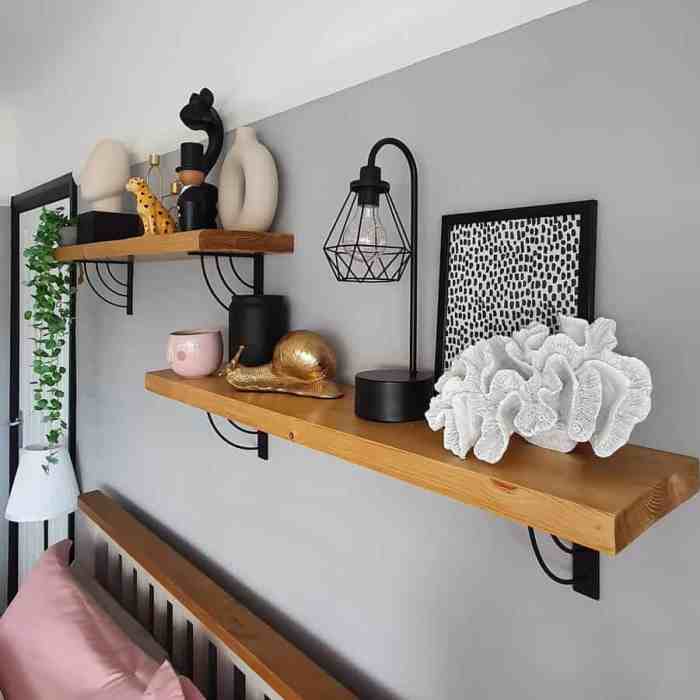
Well-chosen lighting and accessories can transform a simple wall shelf display into a captivating focal point. Proper illumination highlights the aesthetic appeal of the items displayed, while strategic placement of decorative elements adds depth and visual interest. The right combination of light and accessories can create a cohesive and personalized look for any room.Lighting plays a crucial role in emphasizing the design of wall shelves.
It’s not just about visibility; it’s about setting the mood and creating a visually appealing environment. Strategic lighting choices can draw attention to specific items, while ambient lighting can contribute to the overall ambiance of a space. The careful integration of both types of lighting can create a more engaging and inviting atmosphere.
Enhancing Wall Shelf Displays with Lighting
Lighting enhances the visual impact of wall shelves by highlighting specific objects, adding depth, and establishing the desired mood. By strategically placing different types of lighting, you can create dynamic and interesting displays. String lights, spotlights, and recessed lighting all offer unique possibilities. String lights evoke a warm and inviting ambiance, perfect for cozy spaces. Spotlights, on the other hand, can spotlight specific items, drawing attention to unique pieces or collections.
Incorporating Different Lighting Types
String lights, with their warm glow, are ideal for creating a cozy atmosphere. They can be draped around the shelves or strategically placed behind the items to add a touch of elegance. Consider using warm-toned string lights to complement the colors of the items on the shelf. LED spotlights, offering focused illumination, are perfect for showcasing particular pieces, like sculptures or framed artwork.
Their adjustable focus allows for precise highlighting of the desired features. Recessed lighting, with its subtle and integrated design, serves as general room lighting, ensuring that the entire shelf display is well-lit.
Utilizing Accessories for Depth and Interest
Accessories are essential for adding depth and visual interest to wall shelf displays. They provide a sense of scale, balance, and overall cohesion. A variety of decorative bowls, trays, and sculptures can enhance the visual impact. Consider using bowls in varying sizes and shapes to create a layered effect. Trays can group similar items together, or separate elements, creating visual distinctions.
Sculptures, with their unique shapes and textures, add character and artistic flair.
Decorative Items for Enhanced Visual Appeal
Decorative bowls, trays, and sculptures contribute significantly to the visual appeal of wall shelves. Varying sizes and shapes of bowls create visual depth and a sense of organization. Trays can be used to group similar items, separating elements, or simply to add an interesting architectural element to the shelf. Sculptures, with their unique textures and shapes, inject a sense of artistic flair.
The interplay of different textures and materials adds a dynamic dimension to the overall display.
Lighting Options and Their Effects
| Lighting Type | Effect | Best Use |
|---|---|---|
| String Lights | Warm, inviting | Creating a cozy ambiance, particularly in bedrooms or living rooms. |
| LED Spotlights | Focused, highlight | Showcasing specific items, like artwork, collectibles, or decorative objects. |
| Recessed Lighting | Modern, subtle | General room lighting, complementing the wall shelf display. |
Budget-Friendly Wall Shelf Decor Ideas
Transforming a basic wall shelf into a stylish focal point doesn’t require a hefty budget. Creative repurposing and strategic sourcing can yield stunning results, adding personality and visual interest to any room without breaking the bank. This approach allows for experimentation with different styles and themes without the financial constraints of high-end decor.Cost-effective solutions are readily available, allowing homeowners to express their unique aesthetic without compromising their financial well-being.
Clever use of thrifted or repurposed items can elevate a simple shelf into a captivating display, demonstrating that beauty and affordability can coexist.
Thrifted and Repurposed Treasures
Thrift stores, flea markets, and online marketplaces are treasure troves for budget-friendly decor. Vintage frames, old books, and salvaged materials can be transformed into unique shelf displays. For example, an antique mirror frame can be repurposed as a decorative accent piece, while old books can be strategically stacked to create a layered effect. Repurposing materials like reclaimed wood or metal pieces into shelves themselves adds an element of rustic charm or industrial flair.
Personalized Design on a Budget
Crafting a personalized aesthetic doesn’t demand extravagant expenditures. Simple additions like handmade crafts, personalized photo frames, or painted pottery can add a unique touch. Using inexpensive materials like paint, fabric scraps, or decorative papers can create bespoke accents that reflect individual style and interests. These personal touches transform a shelf from a functional fixture to a personalized expression of taste and individuality.
Maximizing Impact with Affordable Items
The key to maximizing impact with affordable items lies in careful arrangement and thoughtful selection. Creating a sense of visual balance, using a combination of textures and heights, and playing with color palettes are crucial for creating a dynamic display. For example, grouping similar items together or alternating heights can instantly elevate the shelf’s aesthetic appeal. Strategically placing a single, striking piece, like a collection of vintage buttons or a painted wooden bird, can draw the eye and anchor the entire arrangement.
Budget-Friendly Decor Items for Shelves
- Vintage or Antique Finds: Thrift stores and antique shops often offer unique items like vintage teacups, old postcards, or antique figurines at surprisingly affordable prices. These can be displayed individually or grouped together for a cohesive look.
- Repurposed Materials: Empty jars, tin cans, or wooden crates can be repurposed into decorative containers for displaying small items like candles, succulents, or dried flowers. The versatility of these materials allows for creative customization.
- Handmade Crafts: Handmade items like painted pottery, knitted or crocheted items, or personalized coasters can be excellent additions to a shelf. The handmade touch brings a sense of warmth and uniqueness to the display.
- Affordable Art Prints: Affordable prints of artwork or photographs can be a visually appealing addition. They can be displayed in various ways, such as framed or simply propped on the shelf.
- Natural Elements: Dried flowers, branches, or stones are natural and budget-friendly choices. These elements bring a touch of nature to the shelf, adding visual interest and a sense of calm.
Maintaining and Caring for Wall Shelves
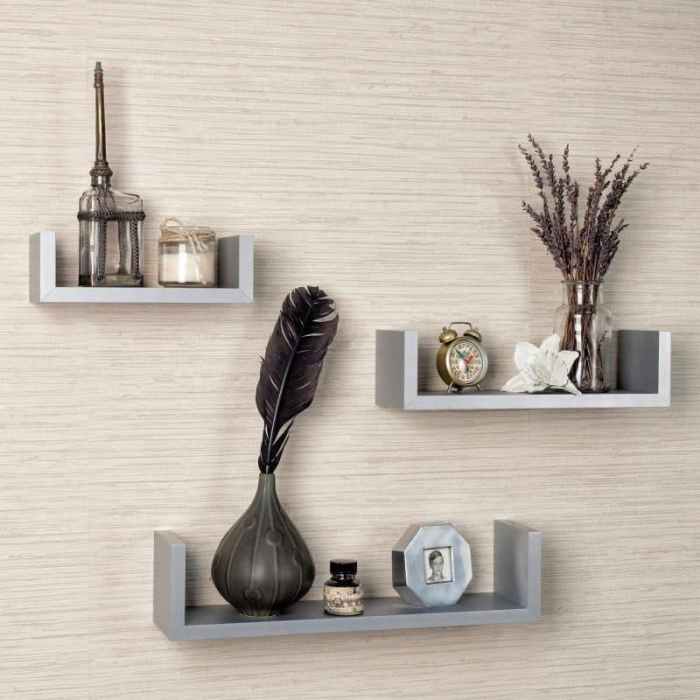
Beyond the aesthetic appeal, well-maintained wall shelves contribute to the longevity and enjoyment of your home decor. Proper cleaning and organization are crucial to prevent damage, preserve the shelf’s structural integrity, and maintain its visual appeal. This extends to the items displayed on the shelves, ensuring they are protected from wear and tear.Careful maintenance, from cleaning to organizing, extends the life of your shelves and keeps them looking their best.
Ignoring these aspects can lead to premature deterioration, damage, and a cluttered, less appealing display. Understanding the materials used in construction is vital for effective cleaning and preservation.
Cleaning and Maintaining Different Shelf Materials
Effective cleaning methods depend heavily on the material of your wall shelves. Wood, metal, and glass each require specific techniques to avoid damage. For example, wood shelves benefit from gentle cleaning with a damp cloth, while metal shelves might require a mild solution of dish soap and water. Glass shelves necessitate the use of a glass cleaner to prevent streaks and ensure clarity.
A general guideline is to avoid harsh chemicals and abrasive cleaners, which can scratch or damage the surface.
Protecting Shelves from Damage
Preventing damage to wall shelves involves proactive measures. Overloading shelves with heavy items can cause stress and potential structural issues. Distributing weight evenly across the shelf is essential. Supporting heavy objects with appropriate backing or using shelf supports is another preventative measure. Checking for signs of warping or structural weakness is crucial in preventing further damage and potential accidents.
Organizing Items for Damage Prevention and Clutter Reduction
Proper organization is key to maintaining a clean and aesthetically pleasing display. Grouping similar items together can create a sense of order and reduce visual clutter. Consider using decorative boxes or containers to further organize smaller items. Ensuring items are appropriately sized and positioned on the shelf prevents them from tipping or shifting. This careful arrangement prevents potential damage to the items themselves and to the shelf.
Rearranging Shelves for a Fresh Look
Regularly rearranging shelves can maintain a fresh aesthetic and prevent boredom. Rotating items from different rooms or introducing seasonal decorations can add variety. Changing the placement of existing items can significantly affect the visual impact. Incorporating new accessories or items that complement the overall theme of the room can create a dynamic and engaging display.
Troubleshooting Common Shelf Problems
Addressing issues like warping, wobbliness, or cracks in the shelves promptly is essential to avoid more serious problems. For warped shelves, consider adding shelf supports or using shims to level them. For wobbly shelves, ensure the mounting hardware is secure and properly attached to the wall. Addressing any structural issues proactively can prevent accidents and ensure the shelf remains stable and secure.
Closure
From budget-friendly DIY projects to sophisticated displays, this comprehensive guide equips you with the knowledge to curate captivating wall shelf arrangements that seamlessly integrate with any room’s style. Ultimately, maximizing the impact of your shelves is about thoughtful planning, balanced design, and a touch of personal flair.